Signature Malaysia

Single Phase vs 3 Phase Power: What Home Owners Need to Know

Key takeaways

  • Single phase is the standard electricity supply for most Malaysian homes, delivering 230V through two wires and handling everyday household use comfortably.
  • 3 phase delivers more electrical capacity, and TNB advises an upgrade when total power usage exceeds 10kW or 50 amperes, or the home has three or more air conditioners.
  • A kitchen renovation that adds multiple heavy appliances running simultaneously is the most common trigger for homeowners to reconsider their electrical supply.
  • Upgrading from single phase to 3 phase requires a registered electrician and a TNB application, with an additional security deposit on top of connection charges.
  • Confirm your current supply and the appliances you plan to install before finalising your renovation plans, not after the walls are closed.

Introduction

Most homeowners only think about their electrical supply when the circuit breaker trips. A renovation, especially a full kitchen upgrade with modern appliances, is the right time to assess this before work starts, not after cabinets and tiles are in.

This article covers what single phase and 3 phase power are, how to check which supply your home currently has, when a renovation makes you reconsider, what the upgrade process involves, and what to confirm before starting work.

What is single phase power in a Malaysian home?

Single phase is the standard electricity supply for most Malaysian homes, delivering power through two wires at 230 volts.

  • Standard supply for most Malaysian terrace houses, condominiums, and apartments, particularly older properties.
  • Delivers 230V through two wires: one live wire and one neutral wire.
  • Sufficient for everyday household use: lights, fans, refrigerator, television, and a typical number of air conditioners.

How is 3 phase power different from single phase?

3 phase power delivers electricity through three live wires at 400 to 415 volts, giving the home more electrical capacity than a standard single phase supply.

CriteriaSingle phase3 phase
Voltage230V400 to 415V
Wires2 (live and neutral)4 (3 live and 1 neutral)
When to consider upgradingSufficient for most homesAdvised when load exceeds 10kW or 50A, or home has 3 or more air conditioners
TNB meter label1Ph, 2W3Ph, 4W
Distribution board main switch1 or 2 poles3 or 4 poles
  • 3 phase spreads the electricity demand across three lines rather than one, so no single line is doing all the work.
  • Many larger homes, including semi-Ds and bungalows, come with 3 phase supply already installed.
  • Upgrading to 3 phase increases your electrical capacity, not your efficiency. Your TNB bill is determined by how much electricity your appliances consume, not by which phase type your home uses.

How do you check which supply your home currently has?

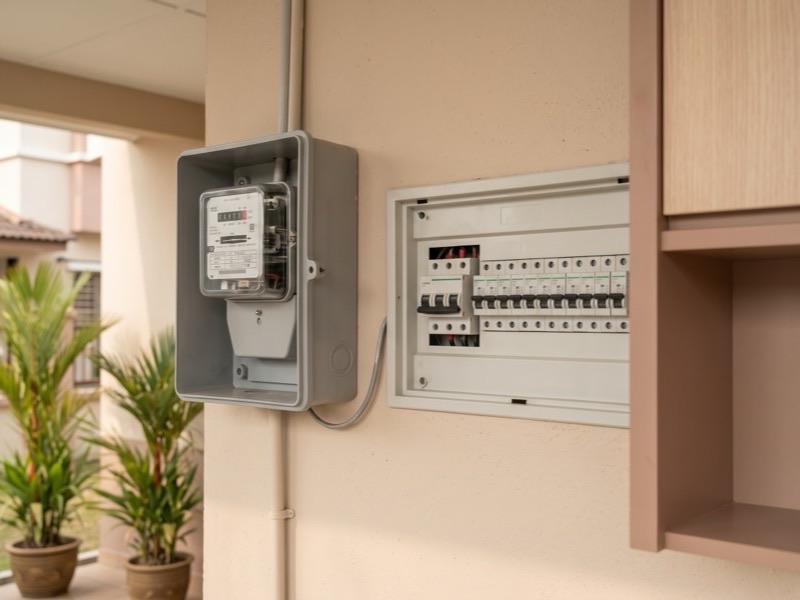
TNB electricity meter and distribution board on the wall of a Malaysian homeTNB electricity meter and distribution board on the wall of a Malaysian home.

Check your TNB meter label and the main switch on your distribution board. Both will show whether your supply is single phase or 3 phase.
  • TNB meter label: Common single phase labels include “1Ph, 2W” or “1 Phase.” Common 3 phase labels include “3Ph, 4W” or “3 Phase.” The meter belongs to TNB and cannot be tampered with.
  • Distribution board main switch: As a general guide, a single phase home has a 1 or 2 pole main switch and a 3 phase home has a 3 or 4 pole main switch. If in doubt, ask a licensed electrician to confirm.
  • If the labels are unclear or the board has been modified, ask a licensed electrical contractor to inspect and confirm before starting any renovation works.

When does a home renovation make you reconsider your electrical supply?

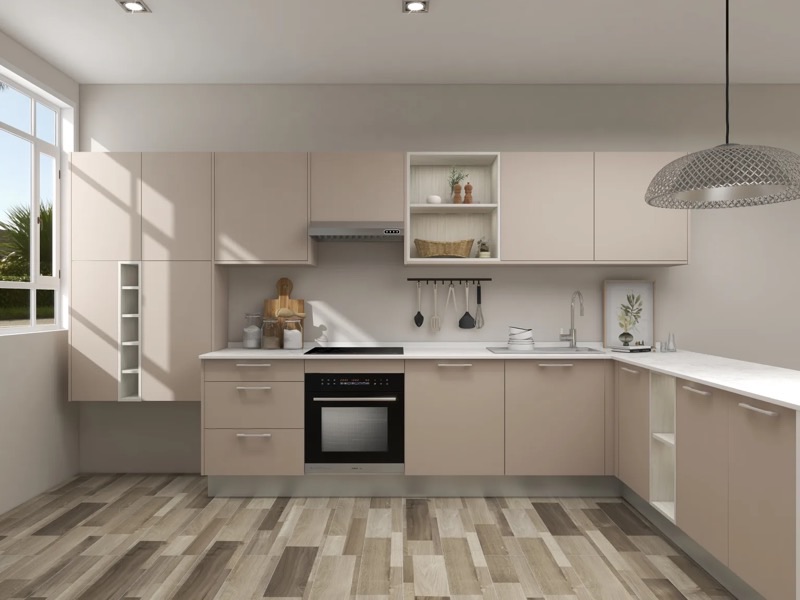
Modern Malaysian kitchen with a built-in hob and built-in oven installed in the cabinetryModern Malaysian kitchen with induction hob and built-in oven installed.

A kitchen renovation that adds multiple heavy appliances running simultaneously is the most common trigger for homeowners to check whether their current supply is enough.

  • Modern kitchen appliances draw significant power: induction hob, built-in oven, dishwasher, and water heater are examples. When multiple heavy appliances and air conditioners all run at the same time, a single phase supply may struggle to keep up. Confirm your total planned load with a licensed electrician before deciding.
  • As a general guide, consider an upgrade to 3 phase when total household electricity load exceeds 10kW or 50 amperes, or when the home has 3 or more air conditioners.
  • The clearest sign that your current supply is under strain is the circuit breaker tripping frequently when multiple appliances run at the same time.
  • Electrical work must be carried out by a contractor registered with the Energy Commission of Malaysia (Suruhanjaya Tenaga). Your local council or building management may have their own rules for renovation works involving electrical changes: confirm with them before starting.

For renovation permit requirements involving electrical changes, read: Guide For Home Owners & Contractors: Home Renovation Permits & Paperwork In Malaysia.
How do you upgrade from single phase to 3 phase in Malaysia?

Upgrading from single phase to 3 phase requires appointing a registered electrician and submitting a TNB application, followed by TNB connecting the new supply after payment is made.

  • Step 1: Appoint an electrical contractor from the Energy Commission of Malaysia’s registered contractor list. TNB advises getting quotes from more than one contractor before appointing.
  • Step 2: The appointed contractor submits the application and supporting documents to TNB on your behalf.
  • Step 3: You sign the TNB application form and electricity supply contract digitally.
  • Step 4: You pay the connection charges and RM10 stamp duty online or at a TNB customer service centre (Kedai Tenaga).
  • Step 5: You pay a security deposit. TNB then installs the new meter and connects the 3 phase supply.

An additional security deposit is required on top of the connection charges when upgrading. Enquire at any Kedai Tenaga or through myTNB for the current figures before budgeting your renovation. Do not start any renovation works that need the new supply before the new meter is installed and connected.

What should you confirm before starting a kitchen or home renovation?

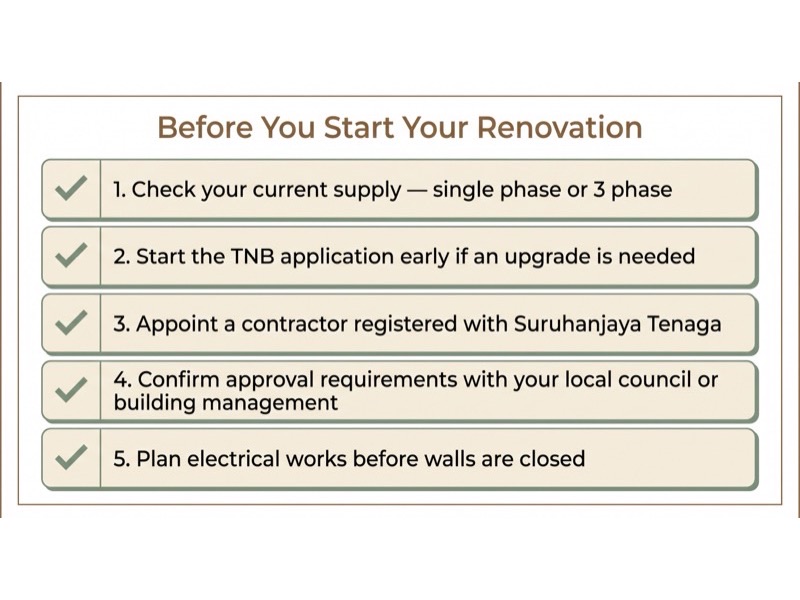
Checklist of five things to confirm before starting a home renovation involving electrical worksChecklist of five things to confirm before starting a home renovation involving electrical works.

Confirm your current electrical supply and the appliances you plan to install before finalising your renovation plans, not after the walls are closed.

  • Confirm which supply your home currently has, single phase or 3 phase, and whether your renovation plans require an upgrade.
  • If an upgrade is needed, start the TNB application process early. The new meter must be installed before internal works that need the upgraded supply can proceed.
  • Confirm that any electrical works in your renovation are handled by a contractor registered with Suruhanjaya Tenaga, not an unlicensed worker.
  • Confirm with your local council or building management whether they require any notification or approval for electrical works as part of your renovation.
  • Signature Reno Works handles electrical works as part of a full home renovation, including internal wiring and distribution board upgrades.

For contractor hiring guidance, read: Complete Guide to Hiring a House Renovation Contractor.

Frequently asked questions about single phase and 3 phase power

Can a single phase home run a full modern kitchen?

Yes, for most configurations. Single phase handles everyday cooking loads comfortably. Where it may struggle is when multiple heavy appliances, such as an induction hob, built-in oven, dishwasher, and water heater, run simultaneously alongside several air conditioners. Confirm your total planned load with a licensed electrician before deciding whether an upgrade is needed.

Yes. Upgrading requires a TNB application and an electrician registered with the Energy Commission of Malaysia (Suruhanjaya Tenaga). Your local council or building management may have additional rules for renovation works involving electrical changes: confirm with them before starting.

The timeline varies depending on the property, location, and scope of works. TNB does not publish a fixed timeline for upgrade applications. Confirm directly with TNB at 1-300-88-5454 or through your appointed electrician before fixing a renovation start date.

It depends on the building’s main supply type and approval from the Joint Management Body (JMB) or Management Corporation (MC). Many condominiums and apartments are connected to a shared building supply, and whether an individual unit can be upgraded depends on whether that shared supply supports it. Check with your JMB or MC before approaching TNB.

For condo renovation approval requirements, read: Guide to Condo Renovation Rules in Malaysia.

Conclusion

Most Malaysian homes run on single phase and it handles everyday use comfortably. A kitchen renovation that adds multiple heavy appliances is the right moment to check your supply, not after the renovation is done. Confirm your current supply early, start the TNB application if an upgrade is needed, and make sure all electrical works are handled by a contractor registered with Suruhanjaya Tenaga.

Planning your electrical needs before works begin helps avoid costly changes later. Signature Reno Works handles electrical works as part of a complete home renovation. Speak to the team before finalising your renovation plans.